

What is Geothermal Drilling?
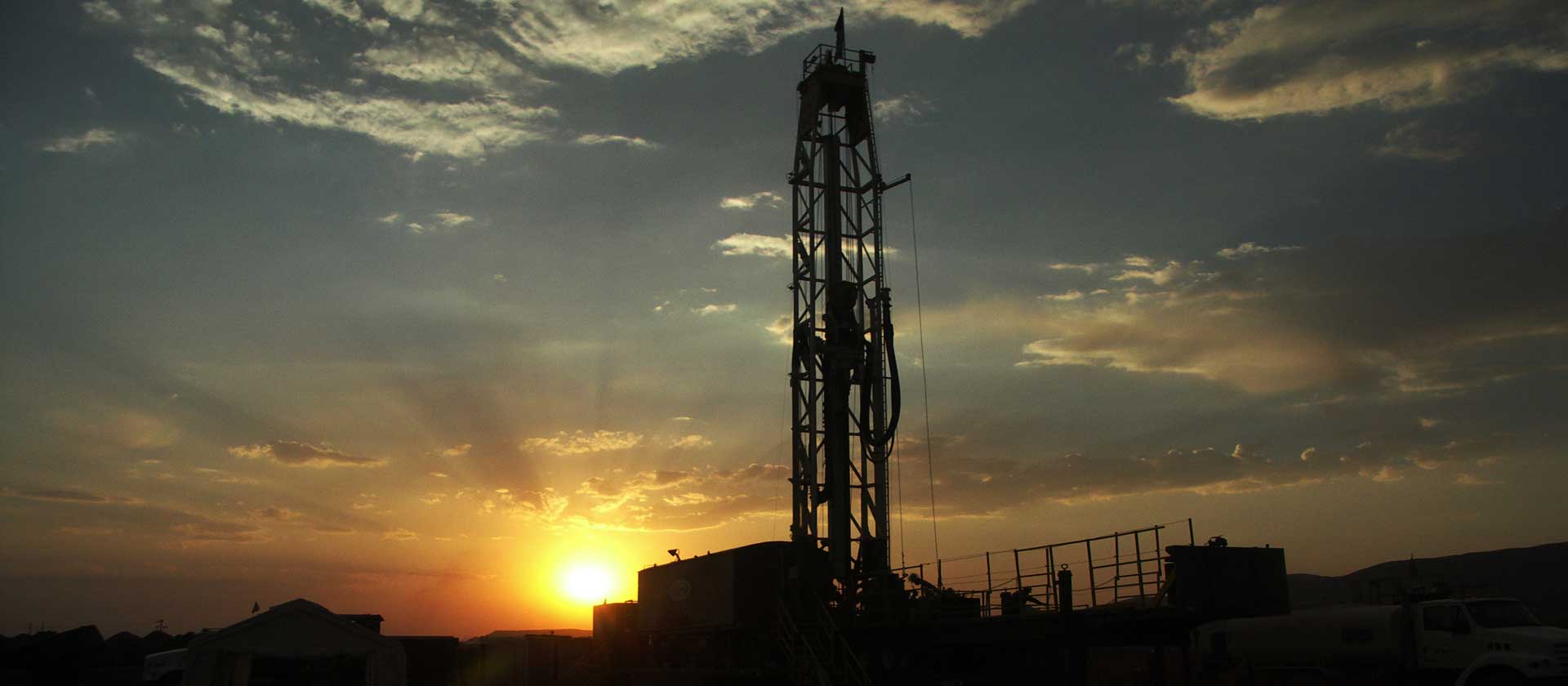
Geothermal drilling accesses the earth's natural heat for energy generation, building heating and cooling, and industrial process heat. NorthStar supports three main geothermal drilling applications:
- High-Enthalpy Geothermal Wells — Drilled into volcanic or tectonic zones where reservoir temperatures exceed 150°C. These wells produce steam or high-temperature brine used to drive turbines for electricity generation. Drilling conditions are extreme — high temperatures, corrosive fluids, lost circulation zones, and unpredictable pressure profiles are all common.
- Low-Enthalpy / Binary Cycle Wells — Drilled into geothermal gradients of 50–150°C. The produced fluid drives a binary power cycle or is used directly for district heating. Depths can exceed 3,000 m depending on the local geothermal gradient.
- Ground Source Heat Pumps (GSHP / GeoExchange) — Relatively shallow vertical boreholes (60–200 m) drilled in pairs or arrays to install closed-loop heat exchanger pipes. These systems extract low-grade heat from the ground for commercial and residential heating and cooling. Hundreds or even thousands of wells may be drilled for a single large building or campus.
Why Drilling Fluids Are Critical to Geothermal Drilling
Geothermal drilling combines many of the most difficult drilling challenges into a single project. Fluid management is central to keeping the well progressing safely and efficiently:
- Thermal stability — Conventional polymer drilling fluids degrade rapidly at temperatures above 80–100°C, losing viscosity and filtration control. In high-temperature wells, thermally stable polymers (such as high-temperature PAC grades) and inorganic viscosifiers are required to maintain fluid performance at depth.
- Lost circulation — Geothermal reservoirs are typically associated with fractured or faulted rock. Fluid loss into these fractures reduces the hydrostatic head in the wellbore, creating risk of collapse or blowout, and causes significant product loss. Lost circulation materials (LCM) — fiber, mica, and granular plugging agents — are routinely required to seal fractures and restore circulation.
- Borehole stability — Weak formations, reactive clays, and tectonic stresses can cause borehole washout, collapse, or tight hole conditions that trap the drill string. Proper fluid density and inhibition chemistry are essential to borehole integrity.
- Corrosion control — High-temperature brines and CO₂ or H₂S gas can be highly corrosive to drill string and casing. pH control agents and corrosion inhibitors protect the equipment and maintain fluid properties.
- Grouting for GSHP — After loop pipe installation, the borehole must be grouted with a thermally conductive material to ensure good contact between the pipe and the ground and to seal the borehole against surface water infiltration. The grout mix is an integral part of the fluid program for these wells.
How NorthStar Supports Geothermal Projects

NorthStar supplies drilling fluid additives suitable for the full temperature and depth range of geothermal applications, from shallow GSHP boreholes to high-enthalpy production wells. Our product selection includes thermally stable PAC polymers, high-temperature lubricants, and a range of lost circulation materials for sealing fractured formations.
For GSHP contractors drilling high volumes of shallow wells, NorthStar offers a simple, cost-effective fluid program designed to maximize drilling speed while maintaining borehole stability. For deeper, more complex wells, we can tailor the fluid system to the expected formation temperatures, pressures, and lithologies encountered along the wellbore.
We understand that geothermal project schedules are often tight — GSHP installations are frequently tied to building construction timelines, and production well programs may have regulatory completion deadlines. NorthStar maintains stock of key products at multiple locations and can respond quickly to supply requirements when the unexpected happens downhole.
Key Products
Recommended additives for geothermal drilling applications.